Build Strong Team Connections through Personalized Firefighter Challenge Coins
Strong teams are built on trust, respect, and shared experiences. Personalized firefighter challenge coins provide a meaningful way to celebrate achievements, strengthen bonds, and create lasting memories among team members. These custom-designed keepsakes symbolize dedication, teamwork, and pride while encouraging a positive and supportive environment.
Strengthening Team Unity
Personalized challenges coins help reinforce the values that bring teams together.
Key Benefits Include:
- Encouraging a sense of belonging
- Recognizing shared accomplishments
- Promoting mutual respect among members
- Celebrating teamwork and collaboration
- Creating a stronger organizational culture
- Inspiring commitment to common goals
When individuals receive a coin that reflects their contributions, they often feel more connected to their colleagues and mission.
Creating Meaningful Recognition
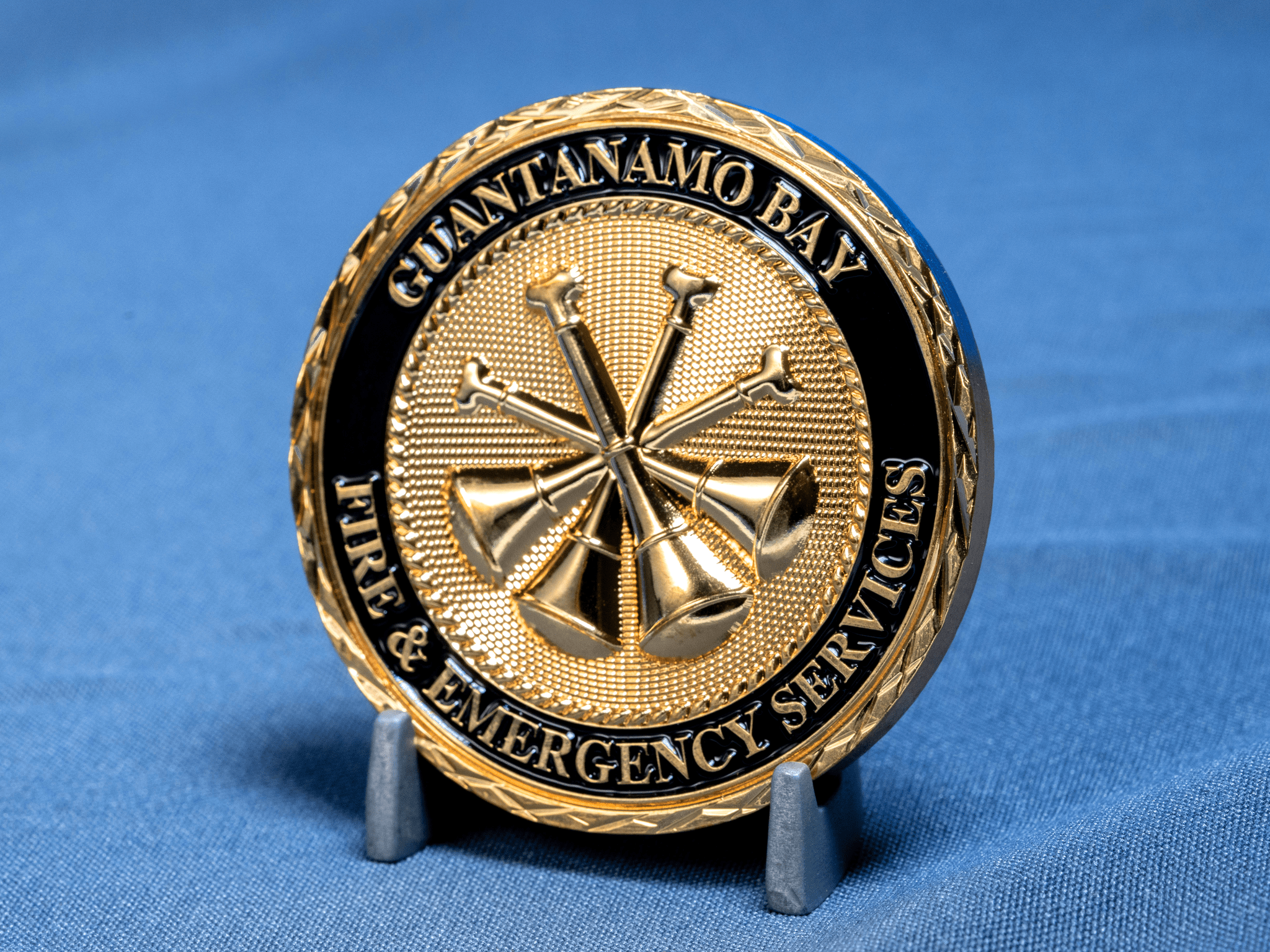
Recognition plays an important role in maintaining motivation and morale. Challenge coins provide a unique and memorable way to honor dedication and effort.
Excellent Recognition Opportunities
- Years of service milestones
- Exceptional performance achievements
- Training completions
- Leadership accomplishments
- Team success celebrations
- Special project contributions
- Retirement commemorations
These moments become even more memorable when paired with a personalized keepsake.
Custom Features That Add Value
Personalization transforms a simple coin into a meaningful symbol of achievement and connection.
Popular Design Elements
- Department emblems
- Custom artwork
- Inspirational messages
- Important dates
- Unique team mottos
- Symbolic imagery
- Personalized names or ranks
Carefully selected designs details help make every coin distinctive and memorable.
Encouraging Pride and Motivation
Challenge coins serve as daily reminders of dedication and success. Team members often display them proudly, reinforcing their connection to the group and its values.
Positive Effects on Team Members
- Increased motivation
- Greater confidence
- Stronger workplace relationships
- Enhanced appreciation for achievements
- Improved team spirit
- Lasting sense of accomplishment
These benefits contribute to a more engaged and supportive team environment.
Supporting Long Term Team Connections
The impact of a personalized challenge coin extends far beyond the moment it is presented. Years later, recipients can look back on the experiences, friendships, and accomplishments associated with the coin.
Lasting Advantages
- Preserves important memories
- Strengthens organizational traditions
- Encourages future excellence
- Highlights team achievements
- Builds a legacy of recognition
- Promotes continued engagement
Many organizations use challenge coins to create meaningful traditions that bring people together across generations.
Conclusion
Personalized firefighter challenge coins are powerful symbols of teamwork, dedication, and achievement. They strengthen relationships, celebrate important milestones, and inspire pride among team members. Whether recognizing individual accomplishments or honoring collective success, organizations often choose to contact Elite Custom Coins when exploring ideas for meaningful recognition pieces that help build stronger team connections and create lasting positive memories.




 Your electric bill just hit triple digits for the third month in a row, and you are staring at that humming metal box in the laundry room like it is a vampire draining your wallet. It is. That dryer is a hungry beast, chewing through kilowatts while shrinking your favorite cashmere sweater into a child’s mitten. But here is the twist: you do not have to choose between crispy, static-cling laundry and living like a medieval peasant with clothesline frozen solid in the backyard. The real solution is sitting inside your house, waiting to be unfolded. An